














Every year as winter rolls around, I start receiving the same questions from horse owners:
"Do I need to feed more?"
"Why is my horse losing weight?"
"Should I change feeds for winter?"
The answer is that it depends on the individual horse, but there are a few key principles I always look at first before recommending any dietary changes.
One of the biggest misconceptions I see is that winter automatically means horses need large amounts of extra hard feed. In reality, the foundation of winter feeding should remain exactly the same as it is throughout the rest of the year: forage first.
Winter Increases Energy Requirements
Horses are remarkably good at regulating their body temperature, but this process requires energy.
Research has shown that when temperatures fall below a horse's lower critical temperature, energy requirements begin to increase. Factors such as rain, wind, lack of shelter, body condition, age, and coat length can all influence how much extra energy a horse requires.
This is why some horses maintain weight effortlessly throughout winter while others seem to melt away despite eating what appears to be plenty of feed.
Thoroughbreds, senior horses, young horses, and those with lower body condition scores often require closer monitoring during the colder months.
Before Adding Feed, Look at Forage
When I assess a horse that is losing weight, the first thing I look at is forage intake.
Not grain.
Not supplements.
Not fancy additives.
Forage.
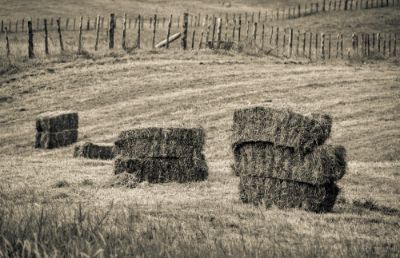
The horse's digestive system is designed to process fibre continuously, and fibre fermentation in the hindgut actually generates heat. In many cases, increasing hay intake is a more appropriate first step than simply adding extra concentrates.
As a general guideline, horses should consume a minimum of 1.5% of their bodyweight in forage per day, with many horses benefiting from closer to 2% or more.
For a 500kg horse, that equates to approximately 7.5–10kg of forage daily.
Not All Hay Is Nutritionally Equal
One of the most valuable conversations I have with clients during winter is around hay quality.
A horse receiving 10kg of poor-quality hay is not necessarily receiving the same nutrition as a horse consuming 10kg of high-quality hay.
Lucerne Hay
Lucerne is one of my favourite forages for horses needing additional condition, muscle support, or quality protein.
It typically provides:
- Higher protein levels than grass hays
- More digestible energy
- Higher calcium levels
- Excellent amino acid quality
Despite common belief, lucerne is not automatically the highest sugar hay available. In fact, many grass hays can test higher depending on growing and harvesting conditions.
Teff Hay
Teff has become increasingly popular for horses that require a lower-calorie forage option.
It is often chosen for:
- Easy keepers
- Horses prone to obesity
- Horses requiring lower non-structural carbohydrate (NSC) diets
Oaten and Rhodes Hay
Both can play valuable roles in a balanced feeding program, but nutritional quality can vary significantly between batches.
This is why hay analysis can be incredibly valuable when precision feeding is required.
Winter Is Often When Protein Deficiencies Become More Obvious
One of the most common issues I see isn't a calorie deficiency—it's inadequate protein quality.
As pasture quality declines, many horses lose access to the protein they were obtaining from fresh grass during spring and summer.
Protein is essential for:
- Maintaining muscle mass
- Tissue repair
- Hoof growth
- Skin and coat condition
A horse may maintain body weight while still losing topline if dietary protein quality is inadequate.
This is why I often evaluate protein sources such as lucerne, soybean meal, lupins, or well-formulated complete feeds as part of a winter feeding plan.
Vitamins and Minerals Still Matter
Hay can provide plenty of fibre and energy, but it doesn't necessarily provide a balanced supply of vitamins and minerals.
In fact, many Australian forage-based diets contain nutritional imbalances when fed without additional mineral supplementation.
This is particularly important for:
- Hoof quality
- Muscle function
- Immune function
- Growth and development
- Overall health and performance
A balanced vitamin and mineral pellet, balancer, or correctly formulated diet can help address these gaps.
Don't Forget Water
Water intake often decreases during winter, and this is something I encourage horse owners to monitor closely.
Reduced water consumption can increase the risk of dehydration and impaction colic, particularly in horses consuming large amounts of dry forage.
Fresh, clean water should always be available, and appropriate salt intake can help encourage drinking and support hydration.
My Biggest Winter Feeding Tip
If there's one thing I've learnt from working with horses, it's that feeding more isn't always the answer.
The horses that do best through winter are usually those with:
- Adequate forage intake
- Quality protein sources
- Balanced vitamins and minerals
- Consistent access to water
- Diets tailored to their individual requirements
Rather than asking, "What can I add?", I encourage owners to ask, "Is my horse's current diet meeting their nutritional needs?"
Often, the answer isn't more feed—it's better nutrition.
Final Thoughts
Winter can be one of the most challenging seasons nutritionally, but it also presents an excellent opportunity to reassess your horse's diet.
Every horse is different. A retired pony, an off-the-track Thoroughbred, a broodmare, and a performance horse will all have different nutritional requirements.
The goal isn't simply to get through winter—it's to support your horse so they can maintain condition, health, and wellbeing right through to spring.
If you're unsure whether your horse's diet is meeting their needs, a professional diet review can help identify nutritional gaps and ensure you're spending your feed budget where it matters most.
Book a diet review here.
About the Author
Lorelle Ackland is an equine nutritionist and founder of Statera Equine. She works with horse owners across Australia to develop practical, balanced feeding plans that support health, condition, performance, and long-term wellbeing.


