











Search
Shop Online
    Menu Close
    RSS

    Blog

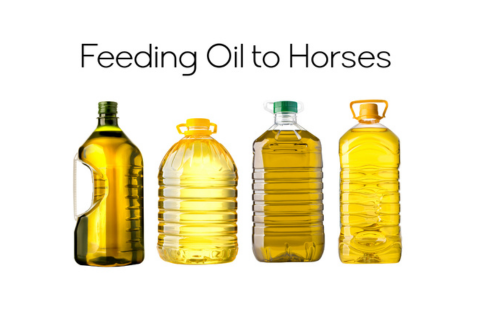
    FEEDING OIL TO HORSES: A NUANCED LOOK FROM A NUTRITION PERSPECTIVE
    FEEDING OIL TO HORSES: A NUANCED LOOK FROM A NUTRITION PERSPECTIVE
    This blog explores the role of oils in equine diets and explains why simply adding large amounts of cheap vegetable oil for weight gain isn’t always the best approach. It looks at how the horse’s digestive system is uniquely designed for small, continuous meals and why excessive oil feeding can sometimes contribute to digestive upset, oxidative stress, and fatty acid imbalances. The article discusses the differences between commonly used oils, including linseed, canola, rice bran, sunflower, and soybean oils, highlighting the importance of omega-3 and omega-6 balance, oil quality, and processing methods. It also covers safe feeding rates, the need for additional vitamin E when feeding higher-fat diets, and practical ways to introduce oils gradually. Finally, the blog outlines alternative ways to support weight gain and condition without relying heavily on oils, such as improving forage intake, using micronised linseed, and selecting balanced high-fat feeds. Overall, it provides horse owners with a balanced, evidence-informed perspective on when and how oils can be beneficial within a well-structured feeding program.
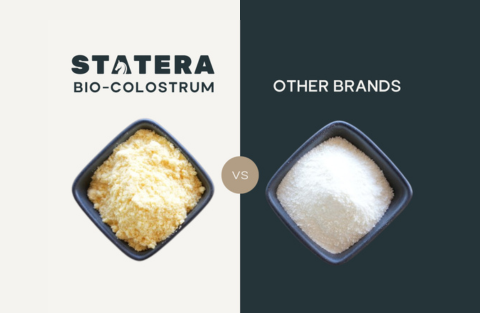
    Not All Colostrum Is Created Equal: Why Quality Matters When Choosing Bovine Colostrum for Horses
    Not All Colostrum Is Created Equal: Why Quality Matters When Choosing Bovine Colostrum for Horses
    This blog explores the factors that influence the quality of bovine colostrum supplements for horses, including sourcing, processing methods, and independent testing standards. It explains the unique nutritional composition of colostrum — including naturally occurring compounds such as IgG, lactoferrin, and growth factors — and why gentle processing methods like freeze-drying are important for maintaining these delicate bioactive components. The article also discusses the importance of batch testing for consistency, what to look for when comparing colostrum products, and how whole colostrum differs from heavily processed alternatives. Throughout the blog, Statera Equine highlights its focus on transparency, minimal processing, and quality assurance to help horse owners make informed feeding decisions.
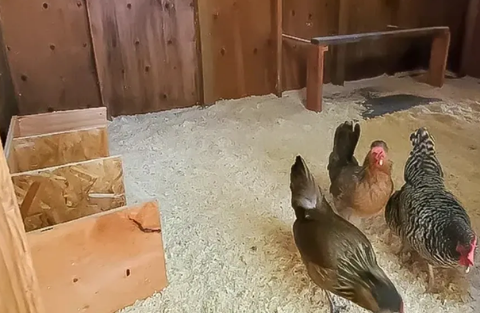
    HOW TO USE AGRICULTURAL LIME FOR CHICKEN COOPS
    (0) HOW TO USE AGRICULTURAL LIME FOR CHICKEN COOPS
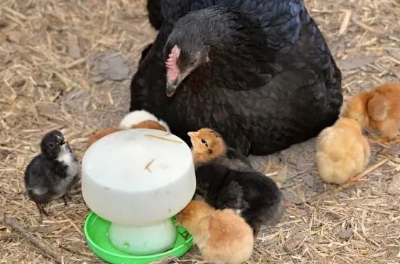
    If you keep chickens in your yard or on your property, then you probably don't have to be told that chicken coops can develop a less-than-pleasant aroma over the course of time. A stinky chicken coop is not particularly enjoyable for anyone and it can cause you problems if you have near neighbors. Neutralising chicken coop odor takes time and effort, but is well worth it.
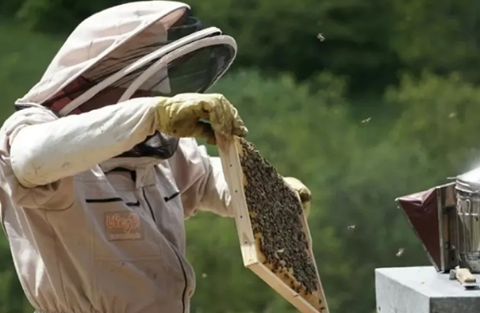
    BEEKEEPING: WHAT EQUIPMENT IS REALLY NEEDED?
    (0) BEEKEEPING: WHAT EQUIPMENT IS REALLY NEEDED?
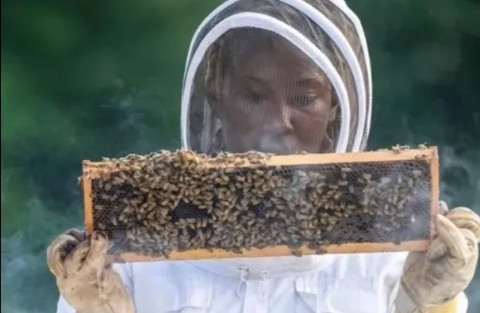
    Beekeeping is a rewarding hobby that is becoming increasingly popular, due greatly to the environmental impacts of keeping bees. And, if you’re like me, your love and appreciation for these intelligent insects will only deepen as you tend to their hive.
    BEEKEEPING: WHAT TO CONSIDER BEFORE YOU START
    (0) BEEKEEPING: WHAT TO CONSIDER BEFORE YOU START
    For many years I have wanted to keep bees. Having worked in research with honeybees, they quickly became my favourite animal due to their unexpected intelligence. This, along with the allure of producing our own honey, and contributing to the survival of this important pollinator was an exciting prospect.
    MEALS FOR MUTTS RECALL
    (2) MEALS FOR MUTTS RECALL
    Meals for Mutts (MFM) have announced a voluntary recall on certain batches of their products distributed throughout Australia. Some batches of have had an issue with mould. If you have purchased Meals for Mutts over the last couple of months, please check your bag of food to see if it has been affected. We have a full list of the dog food that has been recalled by MFM.
    WHAT TO DO IF YOUR BIRD IS BORED... MIX IT UP!!
    (4) WHAT TO DO IF YOUR BIRD IS BORED... MIX IT UP!!
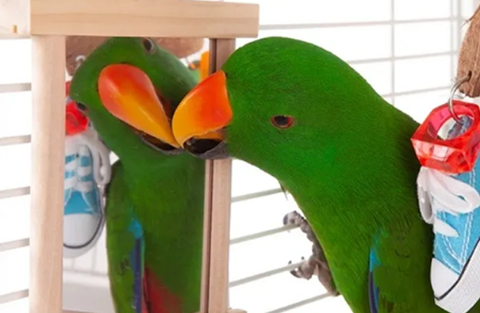
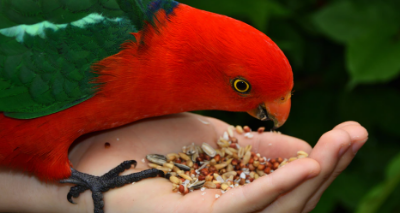
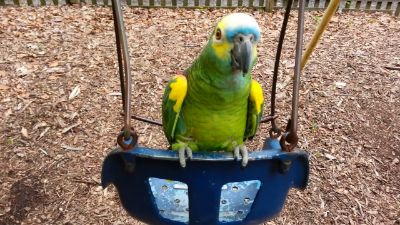
    Birds are exceptionally smart and emotionally sensitive creatures. Because of that, however, pet birds—especially the highly intelligent kinds—can get easily bored if they're not continually engaged. While keeping such intelligent animals constantly occupied seems like an impossible task, particularly when you're out of the house, there are a number of ways to keep your pet bird from boredom.
    THE SCIENCE OF RUGGING HORSES
    (0) THE SCIENCE OF RUGGING HORSES
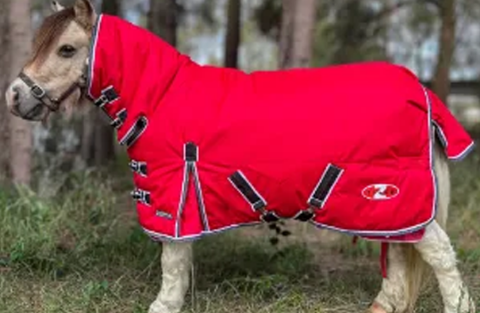
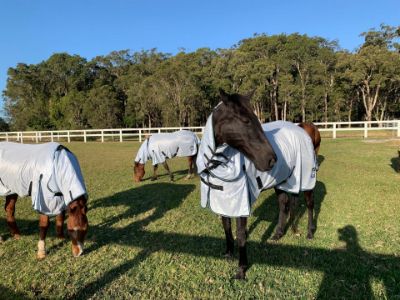
    As we move towards winter and despite enjoying warm autumn days, the colder nights and mornings probably have most of us reaching for our body-warmers, fleeces and jackets when we go to see our horses. But, does this mean it’s time to drag out the rugs we stored away last spring?
    FIREWORKS AND YOUR PETS!
    (0) FIREWORKS AND YOUR PETS!
    Though we love to enjoy to spectacle, the loud sounds of fireworks can be quite distressing for pets. Across Australia annual celebrations may involve fireworks. Unfortunately, many animals are terrified by firework displays which can indirectly pose risks to animal safety by causing them to take flight and try to escape the loud noises.
    WHAT TO LOOK FOR IN LUCERNE HAY: IT’S NOT ALL ABOUT THE COLOUR!
    (0) WHAT TO LOOK FOR IN LUCERNE HAY: IT’S NOT ALL ABOUT THE COLOUR!
    Despite having a naturally large appetite, some horses can be surprisingly fussy when it comes to their feed. They may even snub the offering if it’s not to their taste, which is why it’s important to choose the right type for the animal—both their health and their temperament depend on it.